Address
304 North Cardinal
St. Dorchester Center, MA 02124
Work Hours
Monday to Friday: 7AM - 7PM
Weekend: 10AM - 5PM
Precision cold-rolled stainless steel strip, coil and belt solutions
Address
304 North Cardinal
St. Dorchester Center, MA 02124
Work Hours
Monday to Friday: 7AM - 7PM
Weekend: 10AM - 5PM

A practical overview of industries using precision stainless steel strip, with material and dimensional questions for each application.

Precision stainless steel strip applications are usually defined by two needs: reliable material performance and repeatable dimensions. A part that looks simple in a drawing may depend on temper, flatness, edge condition and surface finish working together.
Springs and spring contacts often use 301 because its work hardening supports high strength. The selected temper must leave enough formability for the bend or coil. Fatigue, permanent set and spring direction should be included in the specification.
Small electrical contacts may need a clean surface, controlled burr and stable strip width. Review the 301 precision strip range when strength and spring response are central to the design.
Thin-gauge strip is used for tabs, shielding, connectors and housings. Material choice depends on conductivity, corrosion exposure, coating process and the smallest feature the tool can form. Width consistency is particularly important when several narrow strips feed the same machine.
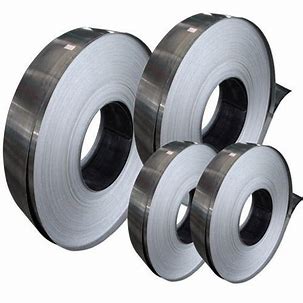
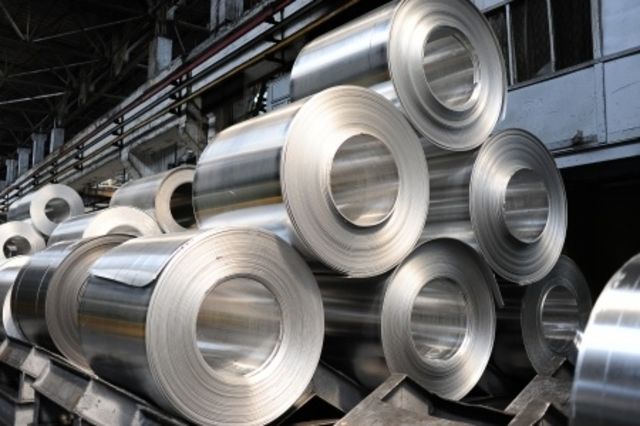

Precision 316L stainless strip may be considered for housings, brackets and instrument parts when corrosion resistance and cleaning are important. Material grade alone does not establish device compatibility; surface, sterilization and device-level validation must also be reviewed.
304 stainless steel strip supports brackets, clamps, trim and formed components. 430 ferritic strip may suit magnetic or decorative applications where its properties meet the service and forming needs.
Stainless steel endless belts are used in heat sealing and packaging equipment. Perforated belts can support vacuum conveying, airflow and indexing. These applications require the alloy, thickness, width, endless construction and surface condition to match the machine.
No. Corrosion, heat, magnetism and strength requirements may point to 301, 316L, 310 or 430 instead.
Include the drawing, annual volume, current grade and the process used to make the finished part.
Yes. Review slit width together with edge condition, thickness and coil handling needs.
Explore the World Stainless Association for general material context and our stainless steel strip product range for application options.
